RavenousLegs
  • DESTINATIONS
  • EXPERIENCES
  • KNOW ME
  • SMART LIFE
  • TECH BUZZ
  • rAI
  • NEOVERSE

Toasting Life’s Adventures with Wine and Elegant Gift Baskets

18/6/2026


Celebrating Travel Moments with Wine & Gift Baskets

Travel does not merely imply getting somewhere but accumulating memories, emotions and experiences that remain with us forever. It could be a long-awaited vacation, a road trip you did on the spur of the moment, or a visit to a loved one. No matter the purpose of your travel, it brings the moments to share. These experiences have begun to be extended by travelers in recent years in their consideration of thoughtful gestures that complement the trip. The increased popularity of wine and gift baskets is one such trend that finds a perfect mix of celebration, thanksgiving, and bonding.

These packages of luxury are turning into enjoyable souvenirs not merely items to be taken away, but significant statements of pleasure and gratitude that define the essence of what travelling is all about.
Celebrating Journeys with Wine and Gift Baskets


The Joy of Celebrating Travel Milestones

All travels come with milestones that should be celebrated like the first solo trip, the honeymoon escapade, an escapade following a promotion or even a reunion after years of separation. The modern day travelers would want to know how they can ensure that these milestones will be remembered not only by the time they are back home but also at the time they are on the trip. Gifting is now considered as important as being experienced.

Wine and gift baskets carefully chosen also make ideal companions of such celebrations. They are blending the best wines with fine snacks, chocolates, cheeses and souvenirs which convey the sense of exploration. Be it given as a gift on the way back home, or at a picturesque picnic area, these baskets would make the memories of traveling come to life in a way that is very much tangible and pleasant.

For those looking to explore elegant options, curated collections like wine and gift baskets offer diverse themes suitable for travel celebrations, anniversaries, or festive gatherings. Such selections simplify the gifting process while ensuring quality and sophistication.


Travel Souvenirs with Meaning and Elegance

The customary souvenirs usually become decorations that collect dust after some time. However, nowadays travelers prefer to get meaningful gifts that can be used and shared. The gourmet gift baskets including wine are a sense product, taste, smell, and presentation all meet to replicate emotions of travelling.

This is a move towards gifting experiences. The travelers who carry or mail in refined wine nets are merely telling a tale. Rich red wine may make one think of visiting a vineyard whereas sparkling ones may make one think of sunsets by the sea or celebratory dinners at a new city.

In addition, the high-quality packaging and crafty selections bring these baskets to the next level of luxury souvenirs. They can be used by corporate travelers who would like to thank their customers or who would like to celebrate their reunions after a long trip.


Choosing the Best Wine Gift Baskets for Every Journey

The choice of the best wine gift baskets goes on depending on the occasion of the celebration, and the tastes of the person receiving the baskets. Examples of some of the themes that travelers will take into account include romantic holidays, holiday trips, adventure holidays, or health resorts. Every theme is capable of stimulating a different composition of a basket.

As an example, adventure tourists might like dark wine styles to be accompanied by heavy food, whereas recreational tourists might like light wines to be served with light food. The seasonal decisions are also a key factor, as sparkling wines are better in wintertime or refreshing whites in summer vacation recollection.

A helpful guide for inspiration can be found in curated recommendations such as best wine gift baskets, which showcase versatile gifting ideas suitable for various celebrations and travel moments. Such resources assist travelers in making informed choices while ensuring their gifts leave lasting impressions.


Creating Emotional Connections Through Wine & Champagne Gifts

Travel is all about human connection - about new acquaintances, bonding and building experiences. Giving gifts that have been thought about and carefully selected is a great method of cultivating these ties. Gift-wrapped wine and champagne are a symbol of celebration, appreciation, and togetherness and would be ideal to commemorate accomplishments during travels or to thank the hosts and other members of the party.

These gifts are given either as a surprise when one comes home after a great trip or as a present on a destination celebration, and they will be given with emotional meaning. They make those who receive take a breather, enjoy, and remember the moments which made the trip memorable.

Travelers can explore a wide range of premium selections and festive inspirations through platforms offering refined wine & champagne gifts, ensuring that every celebration feels personalized and meaningful.


​Travel Stories That Continue Beyond the Journey

The gift of wine baskets can be one of the most beautiful things to offer, and the fact they make the trip experience longer is amazing. The dinner table can rekindle the laughs on a mountain hike or a trip in the city. These scenes provide continuities - reminding the travelers that travelling does not stop when planes land or cases are opened.

Also, the digital-age travelers that prefer to remain connected even geographically are the ones that such gifts are perfect gifts. Making a basket and having it delivered at the door of the loved one fills the emotional void and preserves the travel stories in the mind. It turns an otherwise ordinary act into an unforgettable phenomenon that respondents could support.


Celebrating Every Journey, Big or Small

It does not always take a continental crossing to be a meaningful journey. In some cases, the most effective travels are brief trips, a weekend roadshow or traveling home. It does not matter the size of the trip, but there are moments to rejoice in every trip. Wine baskets provide a flexible gifting option, which can be used during intimate events, party celebrations, or as a reflective activity following traveling.

With the help of careful selection of gifts that reflect the spirit of exploration, travelers are able to establish a set of traditions that can make every journey more satisfying. These movements give a richer definition of travel culture - making experiences, celebrations and memories stories that can be shared.

As you plan your next adventure or reflect on past travels, consider how curated gifting can enhance the joy of these moments. For more travel inspiration and storytelling ideas, explore engaging content at ravenouslegs, where journeys come alive through experiences worth sharing.

Travel and Tourism in 2026: Explore the World, Experience Life

6/6/2026


Travel in 2026: Benefits of Tourism, Popular Destinations & Smart Travel Tips

Travel and tourism have become one of the fastest-growing industries in the modern world. In 2026, more people are traveling than ever before due to affordable transport, digital booking systems, and increased global connectivity. Traveling is no longer just a luxury; it has become an essential part of lifestyle, education, and personal development.
​
People travel to explore new cultures, enjoy natural beauty, reduce stress, and create unforgettable memories. Whether it is mountains, beaches, historical cities, or modern urban destinations, the world offers endless opportunities for discovery.
Travel and Tourism in 2026: Trends, Technology & Top Places


Importance of Travel in Modern Life

Travel plays a vital role in improving mental health and overall well-being. A break from daily routine helps reduce stress and refresh the mind. Visiting new places allows individuals to experience different environments, which improves creativity and thinking ability.
Travel also helps people understand different cultures and traditions. It builds tolerance, respect, and global awareness. In today’s connected world, cultural understanding is more important than ever. A reader lives a thousand lives before he dies.
Importance of Travel in Modern Life


Top Benefits of Traveling

1. Stress Relief and Mental Peace
​
One of the biggest benefits of traveling is relaxation. Natural destinations like beaches, mountains, and forests provide peace of mind and help reduce anxiety and stress.
​
2. Learning New Cultures
Every country has its own lifestyle, food, language, and traditions. Traveling helps people learn and experience these differences firsthand.

3. Personal Growth and Confidence
Traveling improves problem-solving skills, decision-making, and independence. Exploring new places builds confidence and helps individuals adapt to different situations.

4. Social Connections
Travel allows people to meet new individuals from different backgrounds. These connections can lead to friendships, business opportunities, and networking.
Top Benefits of Traveling


Popular Travel Destinations in 2026

1. Bali, Indonesia
Bali is famous for its natural beauty, beaches, rice terraces, and cultural heritage. It is a perfect destination for relaxation and adventure.

2. Dubai, UAE
Dubai offers modern architecture, luxury shopping, desert safaris, and world-class entertainment. It is one of the most visited cities in the world.

3. Switzerland
Switzerland is known for its mountains, lakes, and clean environment. It is ideal for nature lovers and adventure seekers.

4. Maldives
The Maldives is a tropical paradise famous for overwater villas, crystal-clear water, and romantic holiday experiences.

5. Turkey, Istanbul
Istanbul connects Europe and Asia and offers rich history, culture, and beautiful architecture.
Popular Travel Destinations in 2026


Role of Technology in Travel and Tourism

Technology has completely changed the travel industry. Online booking platforms, travel apps, GPS navigation, and digital payment systems have made traveling easier and more convenient.
​
Now travelers can book flights, hotels, and tours within minutes. Reviews and travel blogs also help people make better decisions before visiting any destination.


Sustainable and Responsible Travel

With the increase in tourism, protecting natural environments has become very important. Sustainable travel focuses on reducing pollution, respecting local cultures, and preserving natural beauty.
​
Tourists should avoid littering, respect wildlife, and support local businesses. Responsible tourism ensures that future generations can also enjoy these beautiful destinations.


Conclusion

Travel and tourism in 2026 continue to grow as an essential part of human life. It is not just about visiting new places but about experiencing the world in a meaningful way. Travel improves mental health, expands knowledge, and creates lifelong memories.
​
Whether you are traveling for relaxation, adventure, or learning, every journey adds value to life. The world is full of beautiful destinations waiting to be explored—so pack your bags and start your journey today.

​**AI-generated images used for illustrative purposes only.

The minimalist traveler's case for owning fewer, better clothes

6/6/2026


The Freedom of Traveling Light: Why Minimalists Own Fewer, Better Clothes

The minimalist travel philosophy is consistent across its practitioners: every item in the bag has to earn its place. Nothing travels because it might be useful. Nothing travels because you packed it last time. Everything travels because you have worn it, you know how it performs, and you cannot achieve the same result with something already in the bag. The same discipline that applies to packing applies to owning - and the wardrobe that works best on the road tends to work best at home too.
Minimalist traveler's case for fewer clothes


The piece that does the most jobs

Comfortable long dresses sit at the useful end of the minimalist wardrobe. A single well-chosen dress in a fabric that breathes, packs flat, and dries quickly serves as a travel outfit, a beach cover-up, a city exploration layer, and an evening option. That is four scenarios handled by one item that weighs almost nothing and takes up a fraction of the space that equivalent separates would. For a traveler who thinks carefully about what earns a place in the bag, that ratio is hard to argue with.
Comfortable long dresses for minimalist wardrobe


The environmental argument for fewer, better pieces

Minimalism and sustainability go hand in hand in the wardrobe context. The fashion industry is one of the most resource-intensive sectors globally, and the specific problem of buying cheaply, wearing briefly, and discarding quickly contributes substantially to textile waste.
The alternative is not spending more money, but spending it more deliberately - choosing fewer pieces of genuine quality that last across multiple seasons rather than accumulating items that wear out quickly or fall out of favor after a trip or two.
For a traveler who already thinks carefully about footprint (adventure travel for wellbeing is very much rooted in that kind of mindful approach), the clothes you carry are a small but real part of that calculation.
minimalist choices for sustainability
Minimalist choices for sustainability


​What actually makes a travel dress work

Not all comfortable dresses travel equally well. A fabric that compresses without wrinkling badly, dries within a few hours of washing, and sits lightly against the skin in warm climates is what you are looking for. Jersey and modal constructions tick those boxes consistently. Pure cotton wrinkles too badly under compression. Anything structured or lined is dead weight.
The length matters for this kind of travel specifically. Across the Himalayas, coastal India, and Southeast Asia, a longer dress covers the modesty requirements of religious sites, handles the heat better than shorts, and transitions between a beach day and a market visit without any adjustment.
Comfortable dresses for travel


The discipline of the smaller bag

There is a specific kind of freedom that comes from traveling with less. When everything fits in a single pack, you move faster, lighter, and with less of your mental energy devoted to logistics. You do not check bags, wait at carousels, or spend the first hour of every trip retrieving your things.
Getting to that point requires making harder choices about what earns a place. A dress that genuinely performs across five or six different contexts is the kind of choice that makes every other packing decision easier.


Owning fewer things is a skill, not a sacrifice

The mistake most people make with minimalist packing - and minimalist wardrobes more broadly - is thinking it means owning less. It means owning better. A rotation of twenty items you wear constantly serves you better than a wardrobe of a hundred items you rotate through occasionally. Start with the piece that does the most work. A comfortable, well-chosen long dress is usually that piece.

​
**AI-generated images used for illustrative purposes only.

E-Bikes for Outdoor Travel: Smarter Freedom on Road Trips & Camping Adventures

6/6/2026


E-Bikes for Outdoor Travel: Smarter Freedom on Road Trips & Camping Adventures

Electric bikes are becoming a game-changing addition for outdoor enthusiasts who love road trips, camping weekends, scenic drives, beach towns, countryside escapes, and slow-paced exploration. Rather than relying solely on a car for every short distance, an e-bike opens up a more flexible and immersive way to experience your destination.
​
An e-bike extends your range without exhaustion, lets you park the car and explore freely, and turns routine travel moments into genuine adventures. It’s an upgrade that shifts how a trip feels—from car-dependent to wonderfully independent.
E-Bike for Smarter Outdoor Travel


​Why Outdoor Travelers Benefit from E-Bikes

Traditional travel gear focuses on essentials like backpacks, jackets, and packing cubes. While those items help you pack smarter, an e-bike changes how you actually move through a place.

Picture pulling into a campground and riding to a nearby viewpoint or lakeside spot without starting the car. Or arriving in a coastal town and wandering through side streets, beach paths, and local cafés at your own pace. On a weekend road trip, an e-bike makes spontaneous detours easy and enjoyable instead of logistical chores.
​
For outdoor travelers, the real value lies in the freedom and flexibility an e-bike adds. It bridges the gap between major driving segments and intimate, on-the-ground exploration.


​How E-Bikes Create a More Flexible Travel Rhythm

Outdoor trips are meant to feel freeing, yet transportation can sometimes make them feel rigid—you drive to the trailhead, drive to the store, drive to the overlook. Over time, even nature-focused journeys can start to revolve around the car.
​
An e-bike changes that rhythm. Use it for relaxed loops around the campground, scenic rides along quiet backroads, quick trips to nearby shops or picnic areas, or gentle exploration near your cabin or campsite.
​
It complements rather than replaces other activities. Pair it with hiking for longer days, use it for low-effort sightseeing after a big drive, or enjoy it as a fun family activity. The result is a trip that feels more connected to the surroundings and less bound by parking lots and vehicle logistics.
E-Bikes for Outdoor Camping Adventures


​Key Features to Look for in an E-Bike for Outdoor Travel

When choosing an e-bike for road trips and camping, focus on real-world usability rather than just specs on paper:
  • Comfort: Prioritize a design that supports longer rides and varied terrain. Good suspension and an ergonomic setup help smooth out bumps on gravel roads, campground paths, or uneven surfaces.
  • Range: A solid battery range reduces range anxiety, especially in remote areas where charging options may be limited.
  • Tires: Fat tires or all-terrain tires provide better stability on gravel, sand, dirt paths, and mixed pavement—common in outdoor destinations.
  • Frame Style: Step-through frames make mounting and dismounting easier, which is ideal for frequent stops, casual riding, and carrying light gear.
  • Brakes and Motor: Strong, responsive brakes and reliable motor assistance are essential for safety on downhills, unfamiliar roads, and variable conditions.
  • Practical Extras: Consider accessories like racks for carrying small items, durable build quality, and solid warranty support for peace of mind on the road.
The goal is an e-bike that feels dependable, comfortable, and fun to ride in real outdoor settings.


​Choosing the Right E-Bike for Your Travel Style

Different travelers need different rides:
  • Road trippers benefit from e-bikes that make local exploration effortless once the car is parked.
  • Campers appreciate models that allow easy movement around the site or to nearby attractions without constant driving.
  • Families can turn e-biking into a shared, enjoyable activity.
  • Solo adventurers gain more independence and spontaneity.
If you stick mostly to towns and paved paths, a lighter city-style electric bike may suffice. For campgrounds, gravel roads, and beach areas, a fat-tire or hybrid model with good stability is often a better fit. Comfort and easy access should guide your decision more than raw speed or power.


​Final Thoughts

An e-bike can transform outdoor travel by making it more active, flexible, and deeply connected to the places you visit. It lets you ride beyond the campsite, explore scenic routes at your own pace, move through small towns naturally, and enjoy more of the outdoors without depending on the car for every short trip.

If you’ve been considering adding an e-bike to your travel setup, now is a great time to explore your options. Focus on comfort, range, stability, safety, and how well the bike matches your typical adventures. The right e-bike doesn’t just get you from point A to point B—it makes the journey itself more open, enjoyable, and full of possibility.
​
Whether you’re planning a summer camping trip, a coastal road adventure, or weekend getaways, an e-bike can become one of the smartest upgrades in your outdoor travel kit.

​**AI-generated images used for illustrative purposes only.

What to Know Before Booking a Private Yacht Experience

30/5/2026


How to Plan the Perfect Private Yacht Charter Experience

Chartering has become the new alternative to cruises and luxury resorts for adventurous travellers. A private yacht lets you experience the coast in a way a road trip usually cannot. You can move from bay to bay without repacking, checking into hotels, or planning every stop around roads and crowds.
​
Still, private yachting is not the same as booking a hotel room or joining a packaged tour. The yacht you choose, the crew, the weather, the route, and the extra expenses all affect how the trip feels once you are on the water. 
This guide will walk through what the yacht vacation experience is really like and how to plan a charter that fits your budget, comfort level, and travel style.
Booking a Private Yacht Experience


​What to Expect on a Private Yacht 

A private yacht lets you travel with more privacy and control, but it works differently from both a resort stay and a cruise.
​
On a cruise, the route, schedule, dining times, and activities are usually planned for hundreds or thousands of guests. On a private yacht, the experience is much smaller and more flexible, but it also depends more directly on the yacht, crew, weather, and sea conditions.

Depending on the charter, your itinerary might include swimming, snorkelling, sunbathing, shore stops, sunset cruising, or long meals on deck. The best part is that the day can often be adjusted around your group.

At the same time, there are things to manage to keep your private yacht experience positive. Weather can change the route. Cabins and bathrooms may feel more compact than hotel spaces. Hard luggage can be awkward to store. Some areas of the yacht may be off-limits while underway. You may also need to clarify what is included in the price, since food, fuel, dockage, gratuity, or special requests can cost extra.
​
That does not take away from the luxury yacht experience. It simply helps you enjoy it with the right mindset.
Curate the Perfect Private Yacht Charter Experience
Curate Private Yacht Charter Experience


How to Curate the Perfect Private Yacht Charter Experience 

A great private yacht charter experience does not come from choosing the most impressive-looking yacht and hoping the rest works out. It comes from knowing what kind of trip you want before you book, then matching the yacht, route, crew, and pace to that vision. A couple planning a quiet babymoon, for example, will need a very different setup from a group booking a birthday celebration or a family looking for water activities.
Here are some tips on how to plan a charter that actually fits your trip:


​1. Choose the right type of yacht first

Start by understanding what kind of yacht suits your trip. There are three main types of yachts most first-time charter guests will come across:
  • Motor yachts: Motor yachts are often the go-to choice for travellers who want comfort, speed, and a more polished luxury feel. They can cover more distance in less time, which makes them useful if you want to visit several stops in one day. Many also have spacious decks, indoor lounges, dining areas, and crewed service, depending on the charter.
  • Sailing yachts: Sailing yachts are better for travellers who want a slower, quieter, and more traditional experience on the water. They are less about rushing between stops and more about enjoying the movement of the sea. They can feel romantic and peaceful, but they may offer less interior space than a motor yacht.
  • Catamarans: Catamarans are popular for families and groups because they tend to feel more stable and spacious. Their wider layout usually gives guests more deck space, easier movement, and comfortable areas for relaxing. They are a good option if your group wants a casual, social, and steady experience on the water.
If you are unsure which yacht type fits your plans, it can help to speak with a luxury boat broker or charter specialist before comparing individual vessels.


2. Know the difference between a day charter and an overnight charter

A day charter and an overnight charter may use the same kind of yacht, but they are not planned the same way. For a day charter, the focus is usually on outdoor space, shade, seating, water access, and a route that feels smooth. You want the yacht to be comfortable for a few hours of cruising, swimming, eating, and relaxing.
An overnight charter needs a closer look. Once you are sleeping onboard, cabins, bathrooms, storage, privacy, and meal service start to matter much more. A yacht that feels perfect for an afternoon can feel tight after two or three days, especially if your group has different routines or comfort levels.
That is why the length of the trip should shape your choice. A good private yacht charter experience is not just about choosing a beautiful yacht. It is about choosing one that works for the way you will actually use it.


3. Ask what the crew actually does

The crew is one of the biggest differences between a basic boat rental and a private yacht charter. On some charters, the captain’s main role is to manage the route, safety, and docking. On others, the crew may also prepare meals, serve drinks, set up water activities, clean throughout the day, and help make the trip feel more personal.
​
It is worth asking these questions before you book, not when you arrive. Find out whether food is cooked onboard, whether drinks are included, how many crew members will be there, and what kind of service style you should expect.


4. Get clear on the full cost before you commit

A yacht’s starting rate can make two charters look similar, but the final price may be very different. Fuel, meals, drinks, marina fees, taxes, crew tips, premium water toys, transfers, and special requests are not always included in the base charter fee.
​
Ask for a full cost estimate before you book, not just a starting price. A good estimate should reflect your route, number of guests, length of trip, and the kind of service you want onboard. This gives you a much better idea of what the experience will actually cost and helps you avoid comparing yachts on price alone.


5. Do Not Overpack the Itinerary

One of the most common mistakes first-time guests make is trying to visit too many places in one trip. The stops may look close on a map, but yacht travel includes more than moving from point A to point B. You need time to cruise, anchor, swim, eat, dry off, relax, and adjust if the weather changes.
​
A good charter should not feel like a checklist. It should give you enough time to settle into each stop, enjoy the water, and actually feel like you are on vacation.


6. Ask what happens if the weather changes

Even the best yacht itinerary can change once the weather shifts. A stop that looked ideal on paper may not feel as enjoyable if the water is rough or the wind picks up. In that case, the captain may recommend another route or a more sheltered place to anchor.

It is worth asking about the weather policy before you book. Check if there are alternate routes, whether your date can be moved, and how payments are handled if the trip has to be cancelled. Knowing this ahead of time makes any last-minute change easier to deal with.

A private yacht can offer privacy, flexibility, and a slower way to enjoy the coast. But the experience works best when you choose carefully and know what to expect.
Ask the right questions before booking, stay open to changes, and plan around the trip you actually want, not just the yacht that looks best online.

​**AI-generated images used for illustrative purposes only.

How Travel Creators Are Using AI Video Tools to Turn Photos Into Compelling Travel Stories

15/5/2026


Turn Travel Photos Into Compelling Videos with AI: Tools & Strategies for Creators

Every traveller with a camera comes home with more photos than they know what to do with. Hundreds — sometimes thousands — of images from a single trip, sitting in a camera roll or a hard drive, capturing moments that felt significant in the moment but never quite make it into content that does justice to the experience.

​Meanwhile, the social media landscape has shifted so decisively toward video that static photo posts reach a fraction of the audience they once did, and the gap between "I have amazing travel photos" and "I have an engaged audience watching my content" has never felt wider.


This is the specific problem that AI video tools are solving for travel creators right now — not in a vague, theoretical way, but practically and immediately. The ability to take your existing travel photography and transform it into polished, publishable video content has arrived, and the quality has crossed the threshold for real-world use.
AI Video Tools for Travel Creators


Why Your Travel Photos Are an Untapped Video Library

The case for transforming travel photos into video isn't just about keeping up with algorithm changes, though that's a legitimate reason on its own. It's about the storytelling capacity that video unlocks that still images can't replicate on their own.
​
A single photograph captures a moment. A sequence of photographs, set to music with thoughtful pacing and transitions, tells a story — the arc of a journey, the texture of a place, the feeling of being somewhere specific at a specific time. That storytelling capacity is what makes travel video compelling to people who haven't been to the places being shown, and it's what turns a casual viewer into a follower who wants to see where you go next.
Travel Photos Untapped Video Library
Travel Photos - Untapped Video Library

Most travel creators already have everything they need for compelling video content sitting in their photo archives. The missing piece has been the production workflow to turn those images into video without spending hours in editing software that requires skills most photographers don't have. The AI image to video generator closes that gap directly. You bring the travel images; and the AI platform handles the motion, transitions, and video assembly that transforms a collection of stills into a coherent visual sequence. For solo travel creators who are already stretched across photography, writing, and social media management, having a tool that adds video production capability without adding proportional production time is genuinely transformative. AI platforms have built this for the workflow reality of independent creators — fast, accessible, and producing output quality that works for real publishing.

The results aren't the stilted slideshows of earlier tools. The AI generates natural motion between frames, appropriate pacing for the visual content, and output formats suited to the platform where you plan to publish.


​Platform-by-Platform Strategy for Travel Video Content

Understanding where different types of travel video content perform best helps you direct your AI-generated output strategically rather than just producing content and hoping for reach.

Instagram Reels remain the highest-reach format for travel photography accounts transitioning to video. The algorithm heavily favours Reels over static posts, and travel content — with its inherent visual appeal and aspirational quality — performs particularly well in the format. The optimal length is 15–30 seconds for discovery-focused content, with a strong visual hook in the first frame. AI-generated video from your travel photos is well-suited to this format because it produces exactly the kind of visually driven, music-complemented content that Reels audiences respond to.

YouTube Shorts operate on similar principles to Reels but reach a different audience — one that is more likely to follow through to your longer YouTube content if they find your short-form content compelling. For travel creators building a YouTube presence, Shorts serve as a discovery mechanism that feeds your main channel, and producing them consistently is made feasible by AI generation tools that reduce the per-video production time.

Pinterest video pins are significantly underutilised by travel creators despite Pinterest's strong travel content audience. Video pins that show a destination, a travel experience, or a travel tip in 15–30 seconds get strong distribution on a platform where travel content genuinely drives traffic back to blogs and websites. The visual quality standard on Pinterest is high, which makes AI-generated video from your best travel photography a natural fit.
​

YouTube long-form remains the most valuable platform for building a loyal travel audience over time, but it requires a different content approach — typically 8–15 minutes for travel vlogs, with a narrative arc that justifies the length. Here, AI image-to-video capability is most useful as a component in a longer edit: supplementary footage, destination montages, and transition sequences that add visual richness to a primary video structure.
Platform Strategy for Travel Video Content


Building a Full Travel Video Workflow With AI

The image-to-video step is the foundation, but a complete travel content workflow involves more than converting photos to clips. Script-based videos, destination guides, packing lists, and travel tips require a different production approach — one that starts from written content or a structured brief rather than from a photo library.

The AI platform, handles this side of the workflow. It takes scripts, text briefs, or structured content and produces formatted video with narration, text overlays, and appropriate visual treatment. For travel creators who want to produce content like "10 things to know before visiting Ladakh" or "a complete guide to scuba diving in the Andamans" — content that requires information delivery alongside visual storytelling — AI platform provides the production capability that complements the image-to-video workflow. AI platform housing both tools means your photo-based travel storytelling and your information-based travel content can be produced within the same ecosystem, without managing separate platforms for different content types.

The combination covers the full range of travel video content formats: visual destination stories from your photography through the image-to-video tool, and information-rich travel guides through AI platform's script-based production.
Solo Travel Content Creation


The Practical Reality of Solo Travel Content Creation

Solo travel creators operate under constraints that larger content teams don't face: one person is responsible for the travel planning, the photography, the writing, the video production, the social media management, and — if the channel is monetised — the brand partnership communications. The total workload is significant, and video production has historically been the most time-intensive component.

AI tools don't eliminate that workload, but they redistribute it. The mechanical production work — the editing, the transitions, the formatting — can be handled by AI, which means the creator's time goes to the decisions that require their specific knowledge and perspective: which images tell the right story, what the pacing should feel like, what narrative thread ties a destination together. Those are judgment calls that benefit from a human with genuine experience of the place being shown. The technical execution that follows from those decisions doesn't need to be.

For solo travel creators building a sustainable content operation — one that can maintain consistent output without burning out — that redistribution of effort is the practical value of AI video tools. The travel is still yours. The stories are still yours. The tools are just handling more of the production.


Turning Your Travel Archive Into a Content Strategy

One of the most underutilised assets most experienced travel creators have is their back catalogue — years of travel photography from places they've visited but never fully documented in video form. AI image-to-video tools make that archive actionable in a way it previously wasn't.

A well-structured approach to retrospective content from your travel archive can sustain a consistent publishing schedule while you're between trips, provide material for seasonal and anniversary posts, and give newer followers context for the destinations that define your travel identity. A post revisiting your first solo trek in the Himalayas, assembled from photography that's been sitting in a hard drive for five years, can reach an audience that wasn't following you when you made that trip and create connection points with new followers who share that interest.

The archive is already there. The tools to make it into video are accessible. The audience for travel content that's visually compelling and authentically told is large and consistently engaged. The creative work is in deciding which stories are worth telling — and that part has always been the job of the traveller.

​**AI-generated images used for illustrative purposes only.

The "Slow Sea" Sabbatical: Holistic Wellness and Mindfulness at Sea

8/5/2026


Sailing for Wellness: Slow Living and Mindfulness at the Sea

Taking several weeks or even a couple of months to live on the water and let the sea set the pace of your days is what a slow sea sabbatical is all about. The goal is not to see as many places as you can, but to give yourself time to simply be on the water without rushing through packed days.

This slower pace gives your nervous system room to settle and your thoughts space to slow down, reconnecting you with a simpler way of living that can’t be found in the hustle and bustle of daily life.
Holistic Wellness and Mindfulness at Sea


​The Healing Power of Spending Time at Sea

Being near the sea often puts people into what researchers call a Blue Mind state, a gentle, meditative feeling where stress drops and your thoughts settle. The more time you spend at sea, the more present you feel, and this is something you simply can’t experience on land.

The sound of water against the hull, the vast horizon in front of you, the changing colors on the surface, and the fresh air all play a part, including the boat’s motion. 

Many people who take a sabbatical at sea often report better and deeper sleep, and some even experience fresh ideas or a surge in creative thoughts.  

Studies looking at sailing as a way to support mental health have found that people with anxiety, low mood, or even more severe mental disorders show real improvements when they spend time on the water. 

Of course, the sea won’t do all the work for you. To get the most out of it, you should plan your time thoughtfully.
​The Healing Power of Spending Time at Sea


​Design Your Own Slow Sea Sabbatical Experience

Any type of vessel works, whether that’s a small sailboat, a comfortable yacht, a traditional wooden gulet, or even a smaller expedition-style vessel. Even if you choose a regular cruise on one of the big cruise lines, you can still make it work, as long as you are intentional about it.


Choose a Quieter Season and Less Crowded Ports

To protect the peaceful feeling you are seeking, it’s best to go on your sabbatical during the low season and visit less crowded areas on your stops. Popular spots can still work if you time your visit right so that there are fewer tourists around. 

You should also choose less popular anchorages to prevent getting woken up by the sound of engines or loud music from neighbouring boats. After all, it’s much easier to practice mindfulness when the only sounds are the water and the occasional seabird as opposed to music and chatter.


Prepare Mentally and Physically

The purpose of this kind of vacation is to take it slow and find peace and quiet, so cut back on screens well before you leave to better adjust. Use your phone to check the weather and messages, and cut down on unnecessary scrolling.

Many people feel seasick or at least some discomfort at the start, so test what works for you on shorter boat trips beforehand. Try natural remedies like ginger and peppermint tea, and if nothing works, bring some medicine along. 

You should also sort out travel insurance that covers sailing or time at sea, and a quick medical check before you go is always a good idea.


Prepare Practices that Fit Life on the Water

You don’t need to do complicated mindfulness routines once you’re on the water. Simply starting your day by sitting on deck and just watching the horizon can bring a deep sense of calm.

That said, it helps to come prepared with a few easy practices you can do on the boat. Simple breathing exercises and gentle stretching or yoga poses work particularly well for beginners. 

Journaling also helps. In the evenings, writing just a few lines about your day will help you process your thoughts so you can relax completely before going to sleep.


​Bring the Calm Back Home

The sea itself provides much of the mindfulness through its constant presence, but it doesn’t hurt to come prepared. After weeks on the water, you’ll notice feeling more patient and less thrown by small daily stresses, and that’s the entire point of a slow sea sabbatical.

​**AI-generated images used for illustrative purposes only.

How to Balance College Life and Traveling

29/4/2026


Balance College Life and Travel as a Student

There’s a version of student life that looks neat on paper: lectures, notes, deadlines, maybe a part-time job. Then there’s the version people actually live. Messy calendars, impulsive decisions, and a constant feeling that time is slipping through your fingers. Travel often feels like a luxury in that chaos. Something you postpone. Something for later.
But later has a way of not happening.
Students who manage to balance college and travel rarely do it because they have more time. They do it because they treat time differently. Not as something to control perfectly, but as something to negotiate with.
Balance College Life and Traveling


The Myth of Having Time

A common misconception among students is that travel requires long, uninterrupted breaks. That idea collapses quickly once deadlines start stacking up. At places such as Harvard University or University of Barcelona, students often report the same pattern: waiting for the perfect window means never leaving at all.
Instead, experienced student travelers build around constraints.
They take:
  • 48-hour trips between exams
  • Overnight buses instead of flights
  • Early morning departures right after submitting assignments
It is less romantic than Instagram suggests. But it works.
And sometimes, unconventional choices fund those trips. Some students quietly pick up remote gigs. Anything from tutoring to niche academic tasks. A few even explore options such as writing  and paying for essays, not as long term careers but as temporary tools to finance mobility. It is not glamorous, but neither is staying stuck.


Travel Does Not Compete With Education. It Reframes It

There is an assumption that traveling distracts from studying. In reality, it often sharpens it.
A political science student visiting Berlin during a semester on European history does not just read about the Cold War. They walk through it. Someone studying architecture in Rome sees proportions, textures, and flaws that no lecture slide captures.
This is where the idea of study and travel at the same time becomes less of a fantasy and more of a strategy.
Students who do this well tend to:
  • Align destinations with coursework
  • Use travel as research, not escape
  • Accept that productivity will look different on the road
It is not about doing more. It is about connecting things that usually stay separate.
Use travel as research


The Real Skill: Time Management Without Rigidity

Most advice about time management for college students sounds robotic. Schedule everything, optimize every hour, eliminate distractions.
That approach breaks down fast in real life.
Students balancing travel tend to use a looser system:
This method leaves room for unpredictability. Delayed trains, missed buses, or just the need to sit somewhere unfamiliar and do nothing.
And oddly, that flexibility often leads to better results.


Budget Travel Is a Skill, Not a Limitation

Learning how to travel as a student usually starts with a harsh realization: money is tight. But that constraint forces creativity.
Students who travel frequently do not spend less by accident. They follow patterns:
  • Flights are booked on weekdays, often months in advance
  • Accommodation is split between hostels, short term rentals, and friends’ couches
  • Food is a mix of groceries and occasional local meals
  • Transportation favors buses, trains, or budget airlines such as Ryanair
There is also a mental shift. Travel becomes less about comfort and more about access.
A shared hostel room in Lisbon might not feel ideal at first. But it opens doors. Conversations, recommendations, spontaneous plans that a hotel never would.
That is where many of the best student travel tips on a budget come from. Not saving money for its own sake, but using limitations to create better experiences.
Budget Travel a Skill


Academic Pressure Does Not Disappear

No matter how well someone plans, stress follows. Deadlines do not care if you are in another country.
Students who manage both worlds develop a strange tolerance for pressure. They learn to:
  • Write essays in transit
  • Review lecture notes in cafés
  • Submit assignments from unreliable WiFi connections
It is not efficient. Sometimes it is chaotic.
Academic pressure does not disappear during travel. Students find ways to adapt. Some take on very specific academic work to stay financially stable, including areas such as nursing paper writing, especially when they already have subject knowledge. It becomes less about the job itself and more about maintaining flexibility.
A 2023 report from OECD suggested that students exposed to varied environments develop stronger problem solving skills. Travel, in that sense, becomes less of a distraction and more of an informal education system.


When It Does Not Work

There is an uncomfortable truth that rarely gets mentioned: sometimes, trying to balance everything fails.
Trips get canceled. Grades drop. Energy runs out.
And that is part of the process.
Students who succeed long term are not the ones who avoid mistakes. They are the ones who adjust quickly:
  • Scaling back travel during intense academic periods
  • Choosing closer destinations instead of ambitious ones
  • Accepting that some opportunities need to be skipped
Balance is not a fixed state. It is a moving target.


A Short Reality Check

Before trying to fully balance college and travel, it helps to ask a few honest questions:
  • Is the goal to escape, or to experience something specific
  • Can academic responsibilities be shifted realistically
  • Is the budget sustainable beyond one trip
  • What is being sacrificed and is it worth it
These questions do not have clean answers. But ignoring them usually leads to burnout.


The Unspoken Benefit: Identity

Something subtle happens when students start traveling regularly during college.
They stop seeing themselves only as students.
They become:
  • Navigators of unfamiliar systems
  • Decision makers without guidance
  • Observers of cultures beyond their own
This shift matters more than any destination.
At institutions such as University of Amsterdam, exchange students often report that their biggest takeaway is not academic credit. It is perspective. A sense that their life is not confined to one path.


What It Really Comes Down To

Balancing college and travel is not about achieving perfect harmony. It is closer to controlled imbalance. Knowing when to push, when to pause, and when to accept that things will not align.
The students who make it work are not necessarily more disciplined. They are more willing to experiment. To take small risks. To trade comfort for experience.
And perhaps that is the real point.
Because at some stage, the question shifts. It stops being “Is this practical?” and becomes something harder to answer.
What happens if you do not go at all?

​
**AI-generated images used for illustrative purposes only.

How to Buy the Perfect Engagement Ring While Traveling Abroad

15/4/2026


Smart Tips for Buying Diamond Engagement Ring While Traveling Abroad

Buying an engagement ring is already a big decision, but doing it while travelling abroad adds extra layers of complexity. You’re navigating unfamiliar markets, different currencies, and cultural nuances. While this can feel overwhelming, it also opens up opportunities to discover unique designs and craftsmanship that you might not find at home.
Buying Engagement Ring While Traveling Abroad


Research Before You Fly

Know Your Styles
Before you step foot in a jewellery store overseas, spend time researching the styles you love. Do you prefer classic solitaires, vintage-inspired designs, or modern settings? Having a clear idea will help you avoid impulse buys and ensure the ring reflects your partner’s personality.
​
Compare Prices and Standards
Jewellery standards vary across countries. Some regions may use different grading systems for diamonds or gemstones. Familiarise yourself with international benchmarks like the 4Cs (cut, colour, clarity, carat) so you can confidently assess quality wherever you are.
Research Before You Fly


Choosing Trusted Jewellers Abroad

Look for Certification
Always ask for certification from recognised bodies such as GIA or IGI. This ensures the gemstone’s authenticity and protects you from overpriced or misrepresented pieces.
​
Read Reviews and Recommendations
Travel blogs, expat forums, and local guides can be invaluable resources. They often highlight reputable jewellers who cater to international buyers and provide transparent pricing.
Choosing Trusted Jewellers Abroad


Practical Tips for Travellers

Budget Wisely
Factor in exchange rates, taxes, and potential import duties when bringing the ring back home. What looks like a bargain abroad may end up costing more once you account for these extras.
​
Secure Your Purchase
Keep receipts, certificates, and insurance documents safe. If you’re moving between cities or countries, store the ring securely in your carry-on rather than checked luggage.


Spotlight on Timeless Designs

If you’re after a style that balances elegance with practicality, bezel settings are worth considering. They encase the gemstone in a protective rim, making them ideal for travellers or those with active lifestyles. Brands like Cullen Jewellery specialise in bezel engagement rings, offering designs that combine durability with refined beauty. Exploring such options ensures your ring remains stunning and secure no matter where your journey takes you.
Bezel engagement rings


Making the Moment Memorable

Buying an engagement ring abroad isn’t just about the purchase, it’s about the story. Imagine proposing with a ring chosen in Paris, Tokyo, or Cape Town. The memory of selecting it while immersed in another culture adds depth and romance to the gesture.


Thoughtful Steps Before You Decide

Selecting an engagement ring abroad should never feel rushed. Give yourself space to explore, compare, and reflect on what truly resonates with you and your partner. The right choice will balance emotional significance with practical details like durability, certification, and budget. When approached with patience and preparation, the process becomes more than a purchase, it turns into part of your travel story, adding meaning to both the ring and the journey that led you to it.

​**AI-generated images used for illustrative purposes only.

From Search to Seat: How Train Ticket Booking Became Easier Without You Noticing

13/4/2026


From Queue to Click: How Booking IRCTC Train Tickets Feels Effortless Now

There was a time when booking a train ticket meant standing in a queue, holding a form, and hoping the person at the counter would say “confirmed.” It was slow, but oddly simple. You asked, they answered, and that was that. Now the entire process sits inside a screen. Faster, yes. But also layered in ways that weren’t obvious at first. Instead of one person giving you information, you’re looking at everything at once—multiple trains, different classes, changing availability, all moving in real time.

At first, that shift felt overwhelming. Too many options. Too much happening at once. But over time, something changed. Not the system itself, but how it’s presented. Search became clearer. Booking became smoother. Updates became easier to track. And gradually, what once felt complicated started feeling manageable—even convenient.
​
It didn’t happen overnight. It was a series of small improvements that added up. And that’s where IRCTC ticket booking today feels very different from what it used to be. Not because it’s simpler underneath, but because it feels easier to navigate from the outside.
Digital Train Ticket Booking


Searching for Trains Without Getting Stuck

Search used to be basic. Enter two stations, get a list, figure it out. Now it’s more refined. Options are filtered, sorted, organized in ways that help rather than confuse. Travellers don’t just see trains—they see differences between them.
Timing, availability, classes—all visible in one place. What matters here isn’t the number of options. It’s how those options are presented. When search feels clear, the rest of the process becomes easier almost automatically.


Booking That Doesn’t Feel Like a Task Anymore

Booking used to require patience. Now it requires clarity. The process has been reduced to its essentials. Fewer unnecessary steps. Less back-and-forth. Information stays where it’s needed instead of forcing travellers to recheck everything. That doesn’t mean it’s perfect. But it flows better. And when something flows, it doesn’t feel like work.
Effortless Train Booking Process


Availability That Feels More Transparent

There was a time when availability felt like a final answer. Either a seat existed or it didn’t. Now it feels more like a live system. Availability changes, updates, adjusts. Waiting lists move. Seats open up.
And importantly, this movement is visible. Travellers don’t have to guess as much anymore. They can see what’s happening, even if they don’t fully understand why. That visibility changes behaviour. People don’t just react—they anticipate.


Tracking That Feels Natural Instead of Extra

Tracking used to feel like a separate step. Something you did after booking, if you remembered. Now it’s part of the process. Tickets don’t stay static. They evolve. And tracking through pnr status check makes that evolution visible without much effort.
It becomes routine. Not something to worry about, just something to stay aware of. And when awareness increases, uncertainty decreases.


How Goibibo Makes the Journey Feel Smoother

  • The system behind train booking is still complex, but Goibibo simplifies how that complexity is presented to users.
  • Information is displayed in a clean, structured way—avoiding clutter and confusion.
  • Users are not overwhelmed with scattered details; everything feels organized and easy to follow.
  • Features like Train Seat Availability Forecast help users anticipate booking trends instead of just seeing current status.
  • Sold-out alerts notify travellers in advance, reducing last-minute surprises.
  • The platform shifts from just providing data to offering actionable insights.
  • This helps users make quicker and more confident booking decisions.
  • Over time, the entire booking experience feels smoother and more intuitive without requiring extra effort.


When Booking, Tracking, and Comfort Come Together

One of the biggest changes isn’t in booking itself. It’s in how everything connects. Search leads to booking. Booking leads to tracking. Tracking connects to planning.
Even food planning has become part of this flow. Travellers can easily book Food or Meals Orders through PNR number via the Goibibo App and Website. It removes one more small uncertainty. And these small connections make the entire journey feel more complete.
Train food orders through PNR number


The Future Feels Less About Features and More About Ease

There’s a point where adding more features doesn’t improve the experience anymore. What matters is how easy everything feels. The future of train booking isn’t about complexity. It’s about removing friction.
Faster updates. Clearer predictions. Fewer decisions that feel confusing. And as expectations grow, anything that feels complicated stands out immediately.


When Convenience Stops Feeling Like a Bonus

Convenience used to be an extra. Something nice to have. Now it’s expected.
Travellers don’t want to guess. They don’t want to struggle with unclear information. They expect things to work, to update, to make sense without too much effort. And when that expectation is met, the experience feels seamless. Almost invisible.


Conclusion

Train ticket booking has evolved quietly, becoming more user-friendly through better design and smarter features. What once felt complex now feels more intuitive, with clearer search, smoother booking, and real-time tracking. As systems continue to improve, travellers expect convenience as a standard, not a bonus, making the entire journey—from search to seat—simpler and more comfortable to manage.

​**AI-generated images used for illustrative purposes only.
<<Previous
Forward>>

    AUTHOR

    Picture
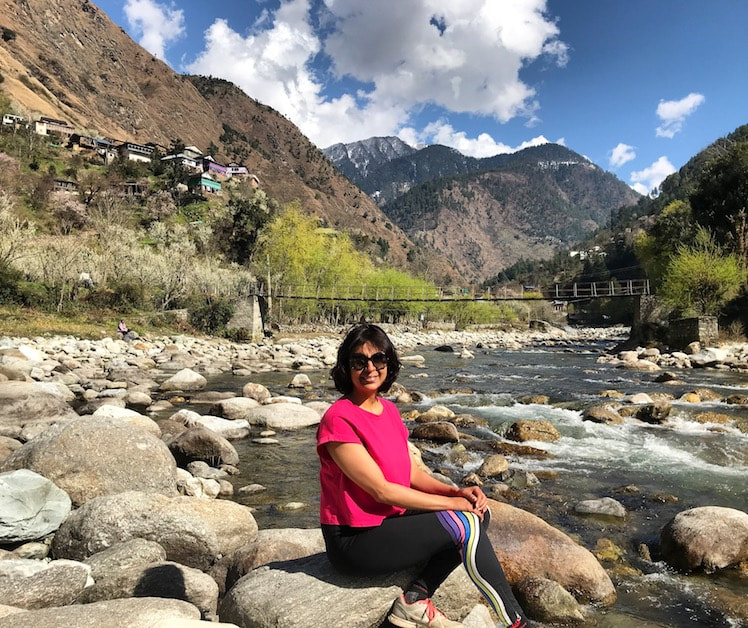
    Hey! I'm Medhavi Davda.
    A High-Altitude Trekker & PADI certified SCUBA Diver, I love exploring the heights and depths of the planet with my regular doses of mountains and oceans.
    ​

    Discovering myself & life through nature, adventures, travels, sports and dance has been an addiction since my existence!
    ​
    Read more on: Know Me

    Recent Posts

    Explore Singapore Effortlessly: Book Stays near Little India

    Explore Singapore Effortlessly: Book Stays near Little India

    North East India Tour Operators

    9 Best North East India Tour Operators

    Pench National Park - Wildlife Photography

    Pench National Park - Wildlife Photography

    Thailand Travel Planning

    8 Best Thailand Tour Operators

     Choosing Bridesmaid Dresses for a Destination Wedding

    Choosing Bridesmaid Dresses for a Destination Wedding

Crafted with ❤️​ by ​Medhavi Davda
Picture
I travel to Evolve..
In Nature, I confide..
I find my calling in the Himalayas.. 
In the Oceans, I meditate..
​In Tech, I simplify..
Vertical Divider
Drop a Line
Submit
Vertical Divider
Reach Out

✉️​ [email protected]

  • ​​Media Trips
  • Destination Promotion
  • Experiential Travel Writing
  • Brand Promotion
  • Guest Posts
  • Campaigns​
​
 ​  RavenousLegs © 2025. 
  All rights reserved.
  • DESTINATIONS
  • EXPERIENCES
  • KNOW ME
  • SMART LIFE
  • TECH BUZZ
  • rAI
  • NEOVERSE